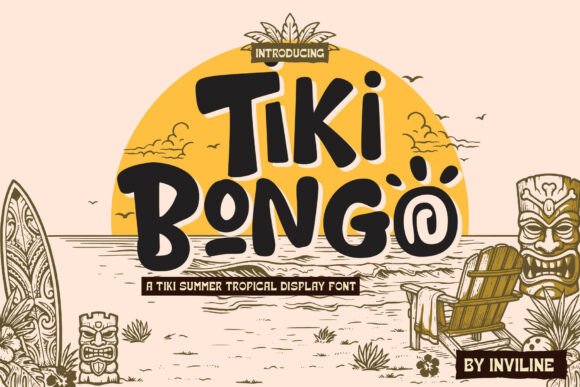
Tiki Bongo Font: Elevate Your Web Design
As digital creators, we constantly search for typefaces that do more than just display text. We need fonts that communicate mood, establish hierarchy, and drive user engagement without sacrificing usability. Tiki Bongo enters this space as a spirited display font that captures the essence of a tropical paradise. For web designers and UI specialists, integrating a Decorative typeface like Tiki Bongo requires a strategic approach to ensure it enhances rather than overwhelms the user experience. This article explores how to leverage this vibrant typeface in modern web design, ensuring your digital products stand out while maintaining professional standards.
Understanding the Visual Personality of Tiki Bongo
Tiki Bongo is not merely a collection of letters; it is a visual statement. Stirring strong island influences, it resonates with the energy of summer fiestas and relaxed coastal vibes. The glyph shapes are bold, organic, and slightly irregular, which gives the font a hand-crafted feel without the messiness often associated with handwritten styles. This balance makes it an excellent choice for brands aiming to project warmth, approachability, and creativity.
In the context of brand identity, Tiki Bongo serves as a powerful tool for differentiation. When used in logo design or header graphics, it immediately signals a departure from corporate sterility. It suggests a brand that values experience, joy, and human connection. However, because it is a creative font with distinct personality traits, its application must be deliberate. It thrives in environments where the goal is to capture attention quickly, such as hero sections on landing pages or promotional banners for online stores.
Strategic Placement in Digital Layouts
The primary rule for using any premium font with strong decorative characteristics is restraint. Tiki Bongo is best suited for short phrases, titles, and accent elements rather than long-form content. Here is how you can effectively integrate it into various digital touchpoints:
- Hero Sections: Use Tiki Bongo for the main headline on a landing page. Its bold strokes ensure high visibility against background images or solid colors, creating an immediate focal point.
- Call-to-Action Areas: While not ideal for small button text due to potential readability issues at tiny sizes, it works well for larger CTA headers that precede the button, guiding the user’s eye toward the conversion point.
- Blog Graphics and Social Media: Create consistent social media graphics by using Tiki Bongo for quote overlays or title cards. This reinforces brand identity across platforms.
- Portfolio Sites: Creative professionals can use this font for section dividers or project titles to add a layer of personality that reflects their unique style.
For a coaching website or a course sales page, Tiki Bongo can break up the monotony of standard modern typography. Use it for module titles or testimonial headers to inject energy into the layout. This helps maintain user interest and reduces cognitive fatigue during scrolling.
Readability and Responsive Considerations
Readability is paramount in UI design. While Tiki Bongo is visually delightful, its decorative nature means it requires careful handling on smaller screens. On mobile devices, ensure that the font size is large enough to prevent the intricate details of the glyphs from blurring together. Avoid using all-caps for long strings of text, as this can reduce legibility in decorative fonts.
When placing Tiki Bongo over image overlays, contrast is key. Ensure there is sufficient difference between the font color and the background. A white or light-colored Tiki Bongo header often pops effectively against dark, saturated tropical imagery. Conversely, on light backgrounds, use a deep, rich color to maintain weight and presence. Always test your layouts on multiple devices to ensure the font renders correctly and remains readable on low-resolution screens.
Effective Font Pairing Strategies
To create a balanced visual hierarchy, Tiki Bongo should be paired with neutral, highly readable body fonts. Since Tiki Bongo is a display font, it demands a supporting actor that does not compete for attention. Here are two effective pairing strategies:
- With a Sans Serif Font: Pairing Tiki Bongo with a clean sans serif font like Inter, Roboto, or Open Sans creates a modern, accessible look. The simplicity of the sans serif balances the complexity of the decorative header, making it ideal for SaaS founders and tech-forward brands that still want a touch of warmth.
- With a Serif Font: For a more editorial or boutique feel, pair Tiki Bongo with a classic serif font. This combination works well for online shops selling artisanal goods or lifestyle products. The serif adds sophistication and trustworthiness, while Tiki Bongo provides the energetic hook.
Avoid pairing Tiki Bongo with other script font or heavily decorative typefaces. This creates visual clutter and confuses the user about where to focus. The goal is to let Tiki Bongo shine as the primary voice of the brand, supported by a quiet, efficient body type.
Technical Implementation and Licensing
Before implementing Tiki Bongo in your design assets, verify the technical specifications. Check for included styles, such as bold or italic variants, although decorative fonts often rely on a single strong weight. Ensure the file formats provided include webfont options like WOFF or WOFF2 for optimal loading speeds on websites. Slow-loading fonts can negatively impact SEO and user retention.
Multilingual support is another critical factor if you are designing for a global audience. Verify that the character set includes the necessary accents and special characters for your target regions. Additionally, always review the commercial font licensing terms. Whether you are using Tiki Bongo for client projects, digital templates, or your own online store, ensure your license covers web usage and the expected traffic volume. Proper licensing protects your business and respects the creator’s intellectual property.
In conclusion, Tiki Bongo offers a unique opportunity to infuse digital experiences with vibrancy and character. By respecting its limitations regarding readability and pairing it with functional body text, web designers can create memorable, conversion-focused layouts that resonate with users on an emotional level. Use it wisely, and let the tropical energy of this Decorative font elevate your next digital project.