Delbert Font Review: Elevate Your Campaign Visuals
It was 4:30 PM on a Tuesday, and I was staring at a flat, uninspiring Instagram carousel for an upcoming summer product launch. The copy was sharp, the photography was vibrant, but the typography felt safe. It blended into the background noise of the feed rather than cutting through it. That is when I pulled Delbert out of my design assets folder. As a decorative display font, it promised to be the center of attention, but I needed to know if it could hold up under the pressure of a real-world digital marketing workflow. What followed was a practical test of how this typeface performs when you need immediate visual impact.
Capturing Attention in the Scroll
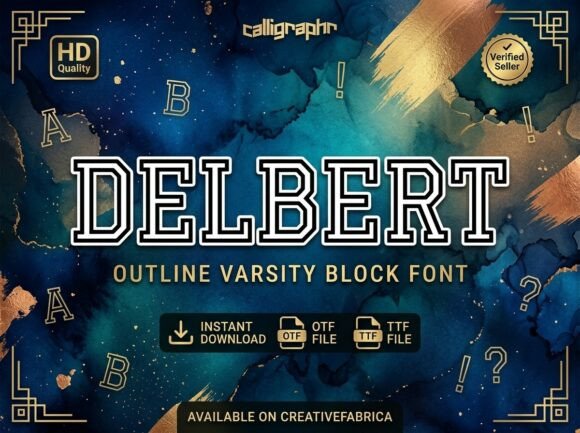
In the fast-paced environment of social media graphics, you have less than two seconds to stop a thumb from scrolling. Delbert delivers on this front with a strong visual personality that feels both artistic and intentional. Unlike generic sans serif options that often disappear into the UI of platforms like Instagram or Pinterest, Delbert commands space. Its unique artistic elements create a distinct mood that signals creativity and confidence.
I tested Delbert on a series of YouTube thumbnails for a creative workshop series. The goal was to make the title pop against busy background images. Because Delbert is a display font, it thrives in large sizes. When scaled up, the intricate details of the letterforms become a feature, not a bug. The font does not just communicate the text; it communicates the energy of the brand. For creators who want their content to feel premium and curated, this typeface offers a shortcut to high-end editorial design aesthetics without requiring hours of custom illustration work.
Strategic Use in Digital Campaigns
While Delbert is stunning, it is not a utility worker. You would not use it for body copy in a long-form blog post or the fine print of a terms and conditions page. Its strength lies in short, punchy headlines, callouts, and logo-style text. During a recent email promotion campaign, I used Delbert exclusively for the main header and the primary call-to-action button text. The rest of the email relied on a clean, modern typography system using a neutral sans serif font. This contrast created a clear visual hierarchy, guiding the reader’s eye exactly where I wanted it to go.
This approach works equally well for web design and landing page headers. When building a sales page for a limited-time offer, the headline needs to carry emotional weight. Delbert adds a layer of sophistication that standard web-safe fonts often lack. However, readability advice is crucial here. On mobile screens, ensure that the font size is large enough to maintain legibility. The decorative nature of the font means that intricate strokes can blur if rendered too small. Always check your mobile preview before launching any ad set or organic post.
Brand Consistency and Visual Identity
One of the biggest challenges for brand managers and small business marketing teams is maintaining consistency across different channels. A font like Delbert can become a cornerstone of your brand identity if used correctly. I integrated it into a branded template pack for a client’s Pinterest campaign. By using Delbert for all quote graphics and event announcements, we created a recognizable visual signature. Users began to associate that specific typographic style with the brand’s voice, enhancing brand recognition over time.
The key to this success is restraint. Because Delbert is so expressive, it can overwhelm a layout if overused. I recommend using it for no more than ten to fifteen percent of your text elements. Let it shine in titles, section headers, and standalone graphic quotes. For supporting typography, pair it with something understated. A geometric sans serif font works beautifully to balance the ornate nature of Delbert, while a simple serif font can add a touch of classic elegance if you are aiming for a more traditional look. Avoid pairing it with other script fonts or handwritten fonts, as the competition for attention will create visual chaos.
Practical Considerations for Designers
Before dropping Delbert into your next commercial font project, there are technical boxes to check. As with any premium font, verify the included styles and weights. Does it come with bold variants for heavier impact? Are there alternates or ligatures that allow you to customize the look for logo design or packaging design? These features can significantly expand the versatility of the typeface. I also strongly advise checking the file formats to ensure compatibility with your design software, whether you are working in Adobe Creative Cloud, Canva, or other web-based tools.
Licensing is another critical factor. If you are using Delbert for client campaigns, digital products, or merchandise, ensure you have the appropriate commercial font licensing. Using a personal license for a paid ad campaign can lead to legal issues down the line. Additionally, consider multilingual support if your audience is global. While many decorative fonts focus on basic Latin characters, checking for extended language support can save you from having to swap fonts mid-campaign.
When to Step Back
It is important to acknowledge where Delbert does not fit. This is not a font for formal corporate communication, dense information tables, or accessibility-focused interfaces where clarity is paramount over style. If your campaign relies on quick information processing, such as a financial report or a technical manual, stick to highly legible sans serif options. Delbert is for moments of celebration, announcement, and artistic expression. It is for the launch, the sale, the highlight, and the hook.
In my experience, the best results come when you treat Delbert as a visual accent rather than a workhorse. Use it to elevate a simple message, to add flair to a minimalist layout, or to inject personality into a sterile template. When used with intention, it transforms ordinary design assets into memorable visual experiences. For digital marketers and content creators looking to break through the noise, adding a tool like Delbert to your toolkit is a strategic move toward more engaging and distinctive brand storytelling.