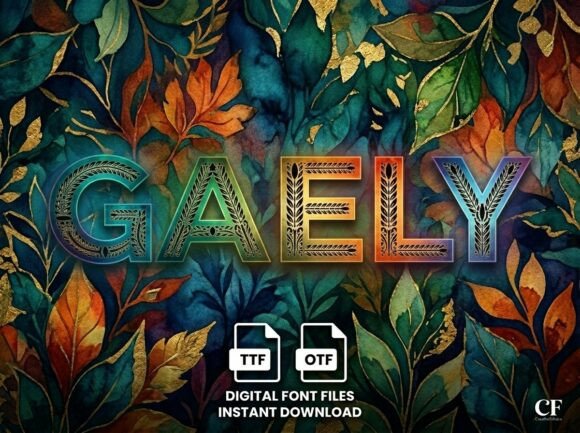
Gaely: A Decorative Display Font for Web Design
In the crowded digital landscape, capturing attention within the first few seconds is not just a goal; it is a necessity. As web designers and UI specialists, we constantly balance aesthetics with functionality, seeking typefaces that communicate brand personality without sacrificing usability. Gaely emerges as a compelling solution in this space. It is a stunning decorative display font designed to be the center of attention, offering unique artistic elements and a strong visual personality that resonates with modern digital creators.
Unlike standard system fonts or generic sans serif options, Gaely brings a distinct character to web interfaces. It is not merely a tool for text; it is a design asset that shapes the tone of your online presence. Whether you are building a high-conversion landing page, curating an online store, or designing a personal portfolio, understanding how to leverage a premium font like Gaely can elevate your project from functional to memorable.
Defining the Visual Personality of Gaely
Gaely belongs to the decorative category of fonts, but its application goes beyond mere ornamentation. The typeface features intricate details and a confident structure that commands respect while inviting curiosity. For digital product creators, this means the font does more than display words; it sets an emotional context. The strong visual personality of Gaely makes it ideal for brands that want to stand out in a sea of minimalism.
When used in hero sections or large headers, Gaely creates an immediate impact. Its artistic elements draw the eye, guiding users through the visual hierarchy of the page. This is crucial for conversion-focused layouts where you need to direct user attention to specific calls to action. By using a distinctive display font for key headlines, you create a focal point that anchors the entire design, making the subsequent content easier to scan and digest.
Strategic Applications in Web and UI Design
The versatility of Gaely allows it to shine in various digital environments. However, its strength lies in its role as a display font. It is best suited for short phrases, titles, and impactful statements rather than long-form body copy. Here is how you can integrate Gaely into your web design workflow:
- Hero Sections and Landing Pages: Use Gaely for the main headline to establish brand tone immediately. Its decorative nature adds sophistication to SaaS launch pages or creative agency sites.
- Online Store Banners: For boutique e-commerce sites, Gaely can highlight seasonal sales or featured products, adding a touch of elegance that generic fonts lack.
- Digital Course Headers: Educators and coaches can use Gaely to make course titles feel premium and authoritative, enhancing perceived value.
- Portfolio Introductions: Creative professionals can use Gaely for their name or tagline, ensuring their personal brand feels curated and professional.
- Social Media Graphics: Extend your brand identity beyond the website by using Gaely in Instagram stories, Pinterest pins, or LinkedIn banners for consistent visual recognition.
It is important to note that Gaely is not intended for body text. For paragraphs, descriptions, and navigation menus, pair it with a clean sans serif font or a readable serif font. This contrast ensures that while the headings grab attention, the content remains accessible and easy to read.
Enhancing Readability and Visual Hierarchy
One of the biggest challenges with decorative fonts is maintaining readability across different devices. Gaely is designed with clarity in mind, but proper implementation is key. In responsive web design, font size and spacing must adapt to mobile screens. On smaller devices, ensure that Gaely is used at a sufficient size to preserve its artistic details without becoming illegible.
Visual hierarchy is another critical factor. By reserving Gaely for H1 and H2 tags, you create a clear structure that helps users scan content efficiently. When users land on your site, they should instantly recognize what is most important. The unique style of Gaely signals significance, while simpler supporting typography handles the informational heavy lifting. This balance improves user engagement and reduces bounce rates, as visitors can quickly find what they are looking for.
Consider the background context as well. Gaely performs exceptionally well on solid colors or subtle gradients. If placing text over complex images, use overlays or shadows to ensure the decorative elements remain distinct. High contrast between the font color and the background is essential for maintaining professionalism and trust.
Font Pairing for a Cohesive Brand Identity
Selecting the right companion typeface is crucial when working with a strong display font like Gaely. The goal is to create harmony, not competition. Since Gaely has a strong personality, pair it with neutral, versatile fonts. A modern sans serif font works well for tech startups and minimalist brands, providing a clean counterpoint to Gaely’s artistic flair. Alternatively, a classic serif font can create an editorial look, suitable for lifestyle blogs, fashion stores, or luxury service providers.
When building a brand kit, define these pairings early. Consistency across your website, email newsletters, and digital ads reinforces brand recognition. Using Gaely consistently for headings while maintaining a standard body font creates a rhythmic visual experience that users find pleasing and professional.
Technical Considerations and Licensing
Before implementing Gaely in client projects or commercial products, review the technical specifications. Check for available weights and styles to ensure flexibility in your design system. Verify webfont availability to guarantee fast loading times, which is vital for SEO and user experience. Additionally, confirm multilingual support if your target audience spans different regions.
Licensing is another critical aspect. Ensure you have the appropriate commercial font license for your intended use. Whether you are designing for a single client, creating digital templates for sale, or building an online store, proper licensing protects both you and the font creator. Always check if the license covers web embedding, app usage, and social media graphics to avoid legal issues down the line.
In conclusion, Gaely is more than just a typeface; it is a strategic design tool. By understanding its strengths and limitations, web designers and digital creators can harness its power to build engaging, beautiful, and effective online experiences. Use it wisely, pair it thoughtfully, and let it bring your brand’s unique voice to life.